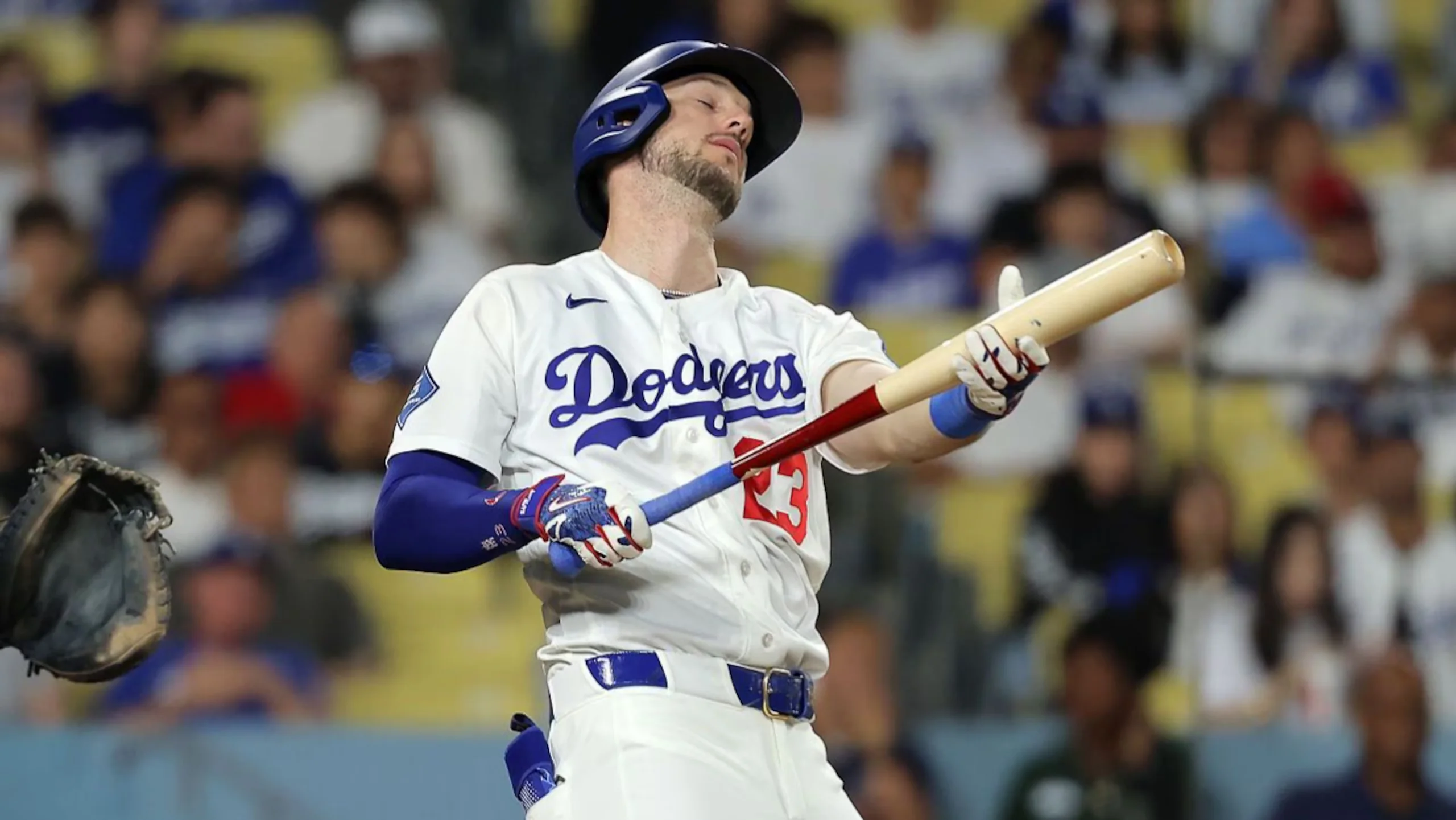
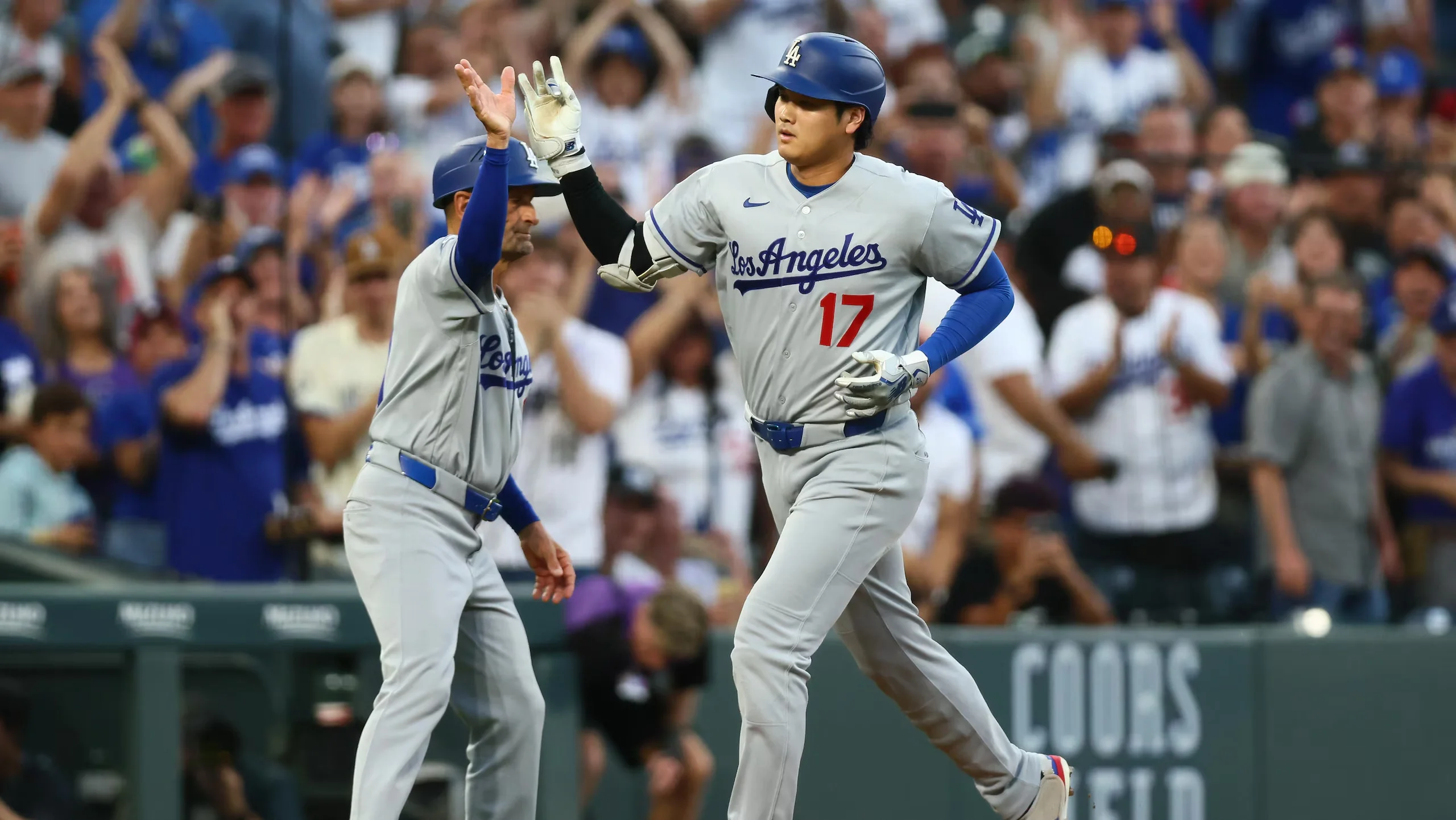
The Los Angeles Dodgers, long regarded as the most aggressive and well-resourced front office in Major League Baseball, are facing uncomfortable questions after a massive $240 million investment has failed to deliver the expected returns, turning what was supposed to be a championship-cementing acquisition into one of the most scrutinized situations of the 2026 season. The contract, widely celebrated at the time of its announcement as a bold statement of the organization's commitment to winning at all costs, has been marred by underwhelming production, recurring injury concerns, and a growing sense that the player in question has not lived up to the astronomical expectations attached to his name. Opposing teams have begun to strategize specifically around this weakness, and the Dodgers' vaunted lineup, built to strike fear into every pitcher they face, has at times looked surprisingly ordinary. Fans have grown restless, sports radio hosts have devoted entire segments to dissecting every at-bat, and rival front offices have watched with a mixture of sympathy and Schadenfreude. The situation has reignited a broader league-wide debate about the wisdom of nine-figure contracts and whether even the most talented players can justify such enormous financial commitments, particularly when injuries and inconsistency intervene. Dodgers management, publicly supportive of their star, privately acknowledges the mounting pressure and is exploring every avenue to maximize the player's production down the stretch. Meanwhile, the national media has framed this as a cautionary tale about the inherent risks of modern free agency. As the playoff race intensifies and every game carries increased weight, all eyes remain fixed on whether this $240 million decision will ultimately be vindicated by October glory or forever remembered as a spectacular miscalculation. Only time will tell whether the Dodgers' colossal bet pays off or becomes a defining cautionary chapter in the franchise's storied history.