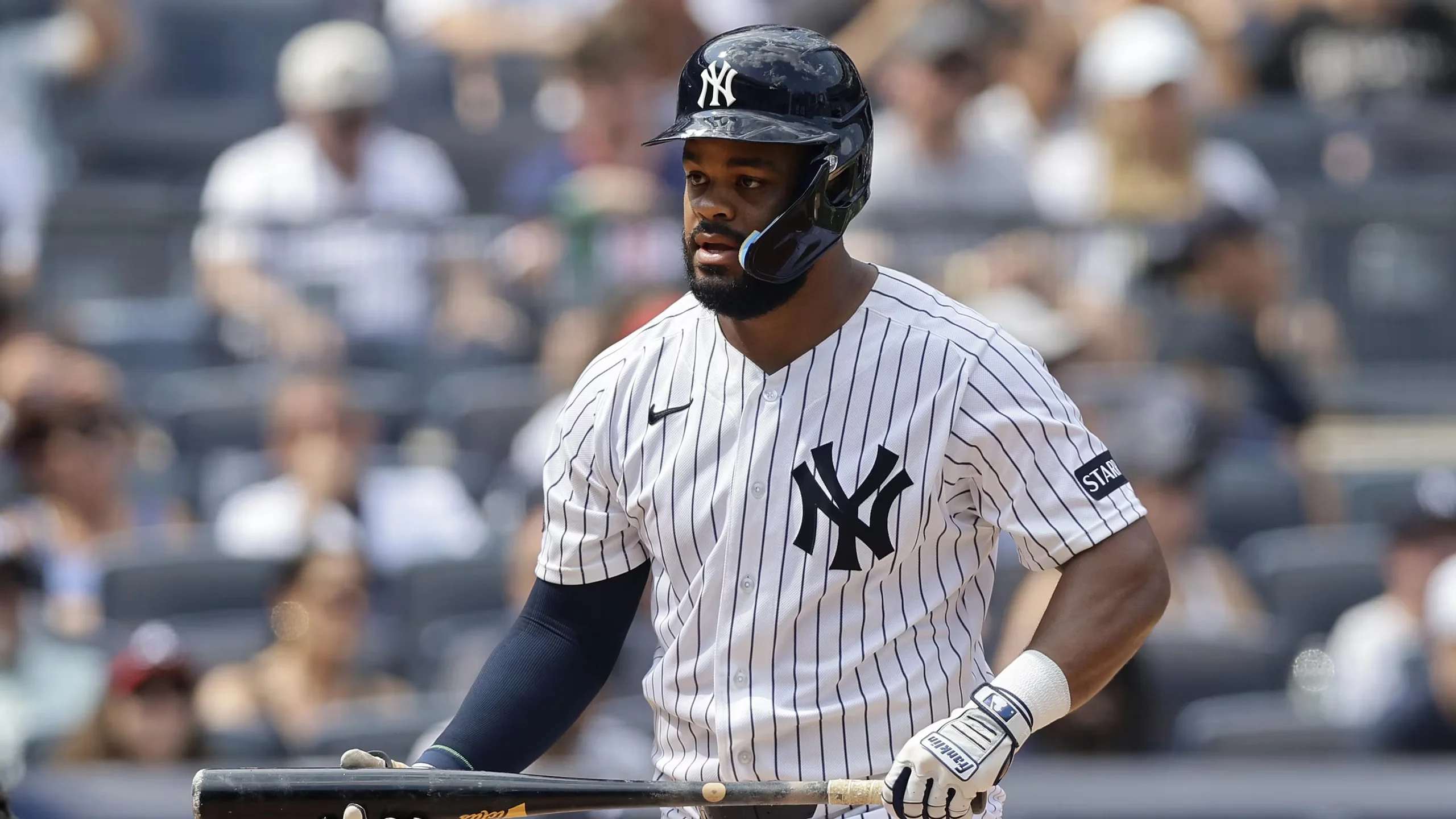
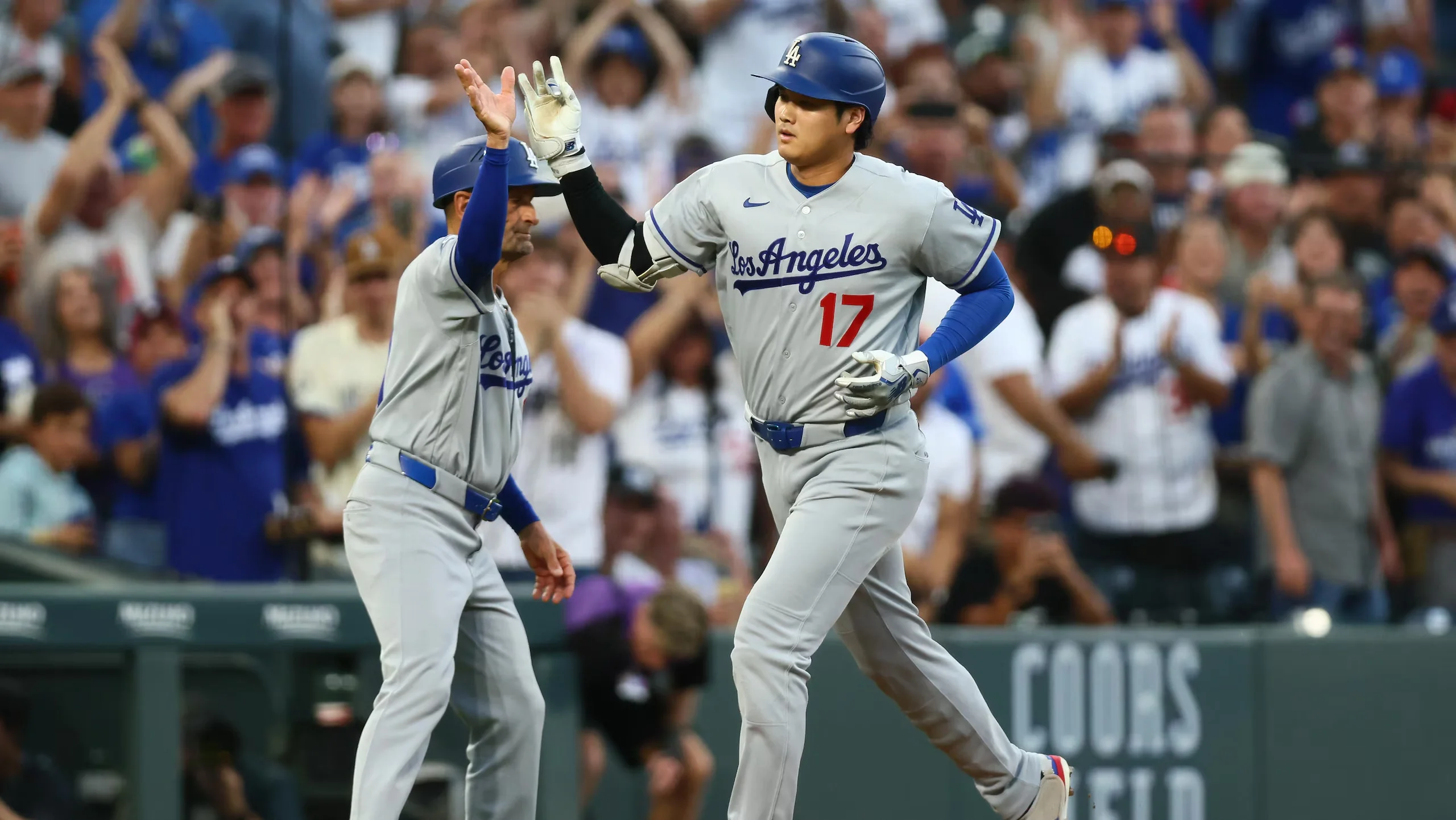
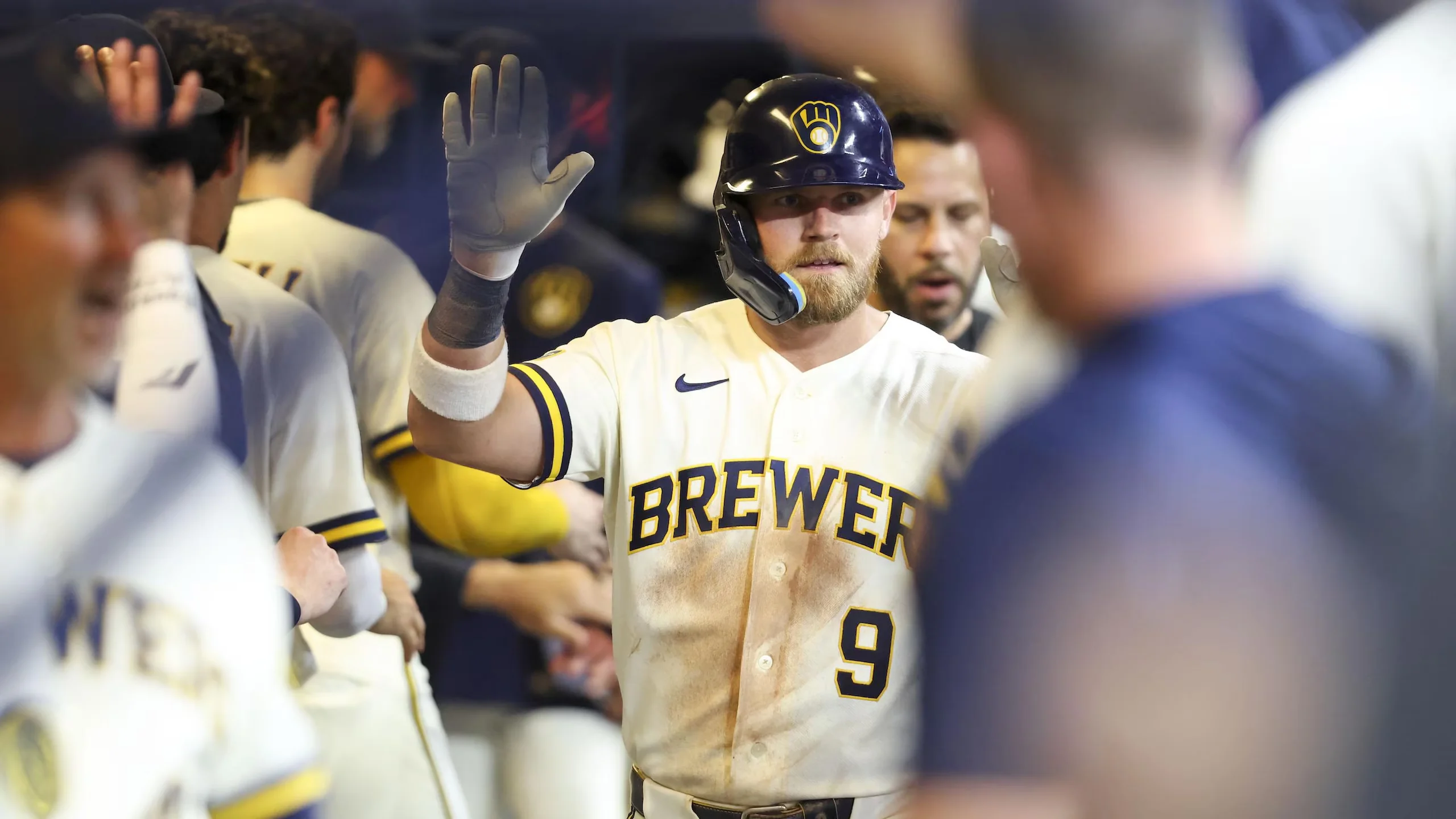
The dust may have settled on a wild trade deadline, but across Major League Baseball, a growing number of front offices are experiencing the familiar pang of buyer's remorse as they evaluate the impact of their midseason acquisitions and departures. While some teams were able to fortify their rosters with impact additions who immediately elevated their playoff chances, others have watched their carefully calculated gambles produce underwhelming returns, leaving general managers to defend decisions that looked far more sensible at the time they were made. The pressure is especially intense for contending teams that surrendered significant prospect capital in exchange for veteran help, only to see those additions struggle with performance, injuries, or a failure to fit into the clubhouse culture. Meanwhile, teams that dealt away established stars in exchange for future assets are facing scrutiny from frustrated fanbases who question whether the long-term payoff justifies the short-term pain of watching their team slide in the standings. The analysis of these trades has become a cottage industry, with pundits grading each deal, tracking every player's performance since the swap, and forecasting the long-term implications for both sides. Some trades, of course, have proven to be clear wins, with teams acquiring the exact piece they needed at a reasonable cost and seeing immediate dividends. But the spectrum of outcomes has been wide, and the stories of regret are far more numerous than anyone anticipated. As the season enters its final weeks and the playoff picture becomes clearer, the true winners and losers of the deadline will begin to emerge, and the decisions made in a frantic few days will be scrutinized for years to come. For the executives who made those calls, the wait to see if their gambles pay off is agonizing, a reminder that in baseball, as in life, there are no guarantees, only informed bets and the hope that fortune smiles on those bold enough to pull the trigger.